


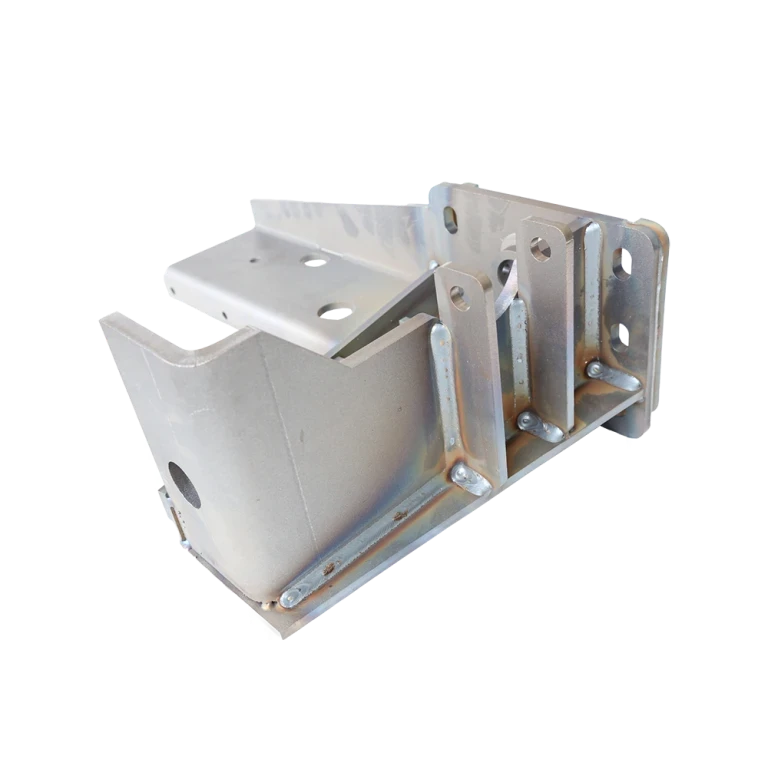


powder metallurgy industry
In modern manufacturing, powder metallurgy (PM) has evolved from a niche process to a cornerstone of high-performance component production, driven by demands for precision, sustainability, and material efficiency. Whether you’re exploring powder metallurgy parts for automotive or aerospace use, delving into advanced powder metallurgy techniques like 3D printing, tracking the latest advances in powder metallurgy for renewable energy, relying on ferrous powder metallurgy for structural components, or optimizing forging powdered steel for durability, this guide unpacks how PM is reshaping industries. From near-net-shape production that minimizes waste to alloy customization that enhances performance, powder metallurgy bridges the gap between design ambition and manufacturing practicality. Powder Metallurgy Parts: Precision, Versatility, and Industry Impact Powder metallurgy parts are defined by their ability to meet tight tolerances, complex geometries, and tailored material properties—all while reducing production costs compared to traditional methods like casting or machining. These parts are created through a core process: metal powders (e.g., iron, copper, or alloys) are compacted into preforms under high pressure (typically 550–950 MPa), then sintered (heated to 70–90% of the metal’s melting point) to bond particles into a dense, functional component. The result is parts with uniform microstructures, consistent performance, and minimal material waste—often 95% material efficiency, compared to 60–70% for machining. Powder metallurgy parts dominate industries where reliability and miniaturization matter: in automotive, they include transmission gears, brake pads, and engine bearings (e.g., Ford uses PM connecting rods in F-150 engines, reducing weight by 15% vs. forged alternatives). In electronics, they’re used for heat sinks and electrical contacts, where their controlled porosity enables thermal management. Even medical devices rely on PM parts—titanium hip implants, for example, use porous PM structures that promote bone integration. What sets powder metallurgy parts apart is their design flexibility: internal cavities, undercuts, and multi-material combinations (e.g., self-lubricating iron-copper composites) that would be impossible or prohibitively expensive with forging or casting. As the global PM market grows (projected to reach $4.5 billion in 2025), the demand for these parts continues to rise, driven by industries seeking to balance performance and sustainability. Advanced Powder Metallurgy: Merging 3D Printing and High-Performance Alloys Advanced powder metallurgy represents the next frontier of PM, integrating cutting-edge technologies and materials to solve complex manufacturing challenges. At its core, this field leverages additive manufacturing (AM, or 3D printing) to transform metal powders into parts with unprecedented precision—layer by layer, without the need for molds or tooling. Unlike traditional PM, which relies on compaction and sintering, advanced powder metallurgy via AM enables geometries like lattice structures (for lightweighting) or internal channels (for fluid flow) that are critical for aerospace and medical applications. For example, GE Aviation uses AM-based PM to produce turbine blades with cooling channels that reduce weight by 20% while improving heat resistance. Another pillar of advanced powder metallurgy is the development of high-performance alloys tailored for extreme environments. These include oxide dispersion-strengthened (ODS) alloys—created by dispersing nano-scale oxide particles in metal powders—which retain strength at temperatures up to 1,200°C (ideal for nuclear reactors or jet engines). Additionally, advanced powder metallurgy incorporates processes like hot isostatic pressing (HIP), which uses high pressure (100–200 MPa) and temperature to eliminate porosity in parts, achieving 99.9% density. This is particularly valuable for aerospace components like rocket nozzles, where even tiny pores could cause failure. As additive manufacturing contributes an estimated $667 million globally to manufacturing value, advanced powder metallurgy is no longer a novelty but a necessity for industries pushing the boundaries of performance. Advances in Powder Metallurgy: Sustainability, Automation, and Renewable Energy Integration The latest advances in powder metallurgy are driven by three key trends: sustainability, automation, and expansion into renewable energy—reflecting the industry’s response to global demands for eco-friendly and efficient manufacturing. On the sustainability front, modern PM processes minimize waste by using near-net-shape production (reducing scrap to 5% or less) and recycling excess powder (up to 90% of unused powder can be reclaimed). For example, BMW’s Leipzig plant uses recycled aluminum powder to produce PM parts for electric vehicle (EV) chassis, cutting carbon emissions by 30% compared to traditional aluminum casting. Automation is another major advance in powder metallurgy , with AI-driven systems now optimizing compaction pressure, sintering time, and cooling rates to ensure batch-to-batch consistency. Smart sensors monitor powder flow and part density in real time, reducing defects from 8% to less than 2% in high-volume production. This is critical for industries like consumer electronics, where millions of PM parts (e.g., smartphone camera brackets) are produced monthly. Finally, advances in powder metallurgy are expanding its role in renewable energy. PM is used to manufacture components for wind turbines (e.g., gearbox bearings with enhanced wear resistance) and solar panels (e.g., conductive copper-nickel PM parts for energy collection). In hydrogen fuel cells, PM-produced bipolar plates—with precise flow channels for hydrogen and oxygen—improve efficiency by 15% compared to machined plates. These advances position PM as a key enabler of the green energy transition, merging performance with environmental responsibility. Ferrous Powder Metallurgy: Structural Strength and Standardized Reliability Ferrous powder metallurgy —focused on iron and iron-based alloys (e.g., steel, stainless steel)—is the backbone of PM for structural applications, valued for its strength, cost-effectiveness, and compliance with strict industry standards. Ferrous PM parts are used in everything from automotive drivetrains to industrial machinery, where their ability to withstand high loads and fatigue makes them indispensable. The process typically uses atomized iron powder (produced by spraying molten iron into a cool gas) blended with alloying elements like carbon, copper, or molybdenum to tailor properties—for example, adding molybdenum boosts hardenability, while copper improves ductility. A key advantage of ferrous powder metallurgy is its adherence to global standards, such as ASTM B848/B848M, which specifies chemical compositions and mechanical properties for powder-forged ferrous materials. This standard covers eight alloy classes, from basic carbon steels (PF-10xx) to high-strength nickel-molybdenum steels (PF-46xx), ensuring parts meet performance requirements for applications like heavy-duty truck axles or construction equipment gears. For instance, a PF-42xx nickel-molybdenum ferrous PM part has a yield strength of 600 MPa and elongation of 8%, outperforming cast iron in impact resistance. Ferrous powder metallurgy also offers cost benefits: compared to forged steel parts, ferrous PM parts reduce production steps (no machining of complex features) and lower energy use (sintering requires less heat than forging). This makes them ideal for high-volume production—over 50% of all PM parts produced globally are ferrous, a testament to their versatility and reliability. Forging Powdered Steel: Merging PM Precision with Forging Strength Forging powdered steel (also called powder forging, PF) combines the design flexibility of powder metallurgy with the mechanical strength of traditional forging, creating fully dense parts with exceptional toughness and fatigue resistance. The process begins with a PM preform—compacted iron or steel powder sintered to 75–85% density—then heated to 1,000–1,200°C (for steel) and forged in trapped dies with a single blow. This forging step eliminates porosity, aligns grain structures, and achieves 99.9% density, resulting in parts that meet or exceed the performance of cast-wrought steel. There are two primary methods in forging powdered steel : repressing (where the preform shape closely matches the final part, minimizing deformation) and true forging (where the preform undergoes significant shear deformation, enhancing dynamic properties like toughness). True forging produces parts with 20–30% higher fatigue resistance than repressed parts, making them suitable for critical applications like automotive crankshafts or aircraft landing gear components. For example, a powder-forged steel connecting rod has a fatigue life of 10^7 cycles, compared to 5×10^6 cycles for a traditional cast rod. Forging powdered steel also offers material efficiency: the preform is designed to use only the necessary powder, reducing scrap to less than 3% (vs. 15–20% for conventional forging). Additionally, the process enables the use of high-alloy steels (e.g., chrome-molybdenum) that are difficult to forge via traditional methods due to their high hardness. As per ASTM standards, powder-forged ferrous parts must meet strict criteria for oxide penetration, decarburization, and nonmetallic inclusions, ensuring consistent quality across batches. This combination of strength, precision, and efficiency makes forging powdered steel a preferred choice for industries where failure is not an option. Powder Metallurgy FAQs 1. What industries commonly use powder metallurgy parts? Powder metallurgy parts are widely used in automotive (gears, bearings), aerospace (turbine components), electronics (heat sinks), medical (implants), and industrial machinery (gearboxes). Their ability to balance precision, material efficiency, and cost makes them suitable for high-volume and high-performance applications. 2. How does advanced powder metallurgy differ from traditional PM? Advanced powder metallurgy integrates additive manufacturing (3D printing) for complex geometries, high-performance alloys (e.g., ODS alloys) for extreme environments, and processes like HIP for full density. Traditional PM relies on compaction and sintering for simpler shapes, while advanced PM enables lattice structures, multi-material parts, and nano-scale material customization. 3. What are the latest advances in powder metallurgy for sustainability? Recent advances in powder metallurgy include powder recycling (up to 90% reclamation), near-net-shape production (reducing scrap to 5% or less), and recycled raw materials (e.g., aluminum powder for EV parts). AI-driven automation also optimizes energy use in sintering, cutting carbon emissions by 20–30%. 4. What standards govern ferrous powder metallurgy parts? Ferrous powder metallurgy parts adhere to standards like ASTM B848/B848M, which specifies chemical compositions (e.g., nickel, molybdenum content) and mechanical properties (yield strength, elongation) for eight alloy classes. This ensures consistency and reliability for structural applications like automotive and industrial machinery. 5. What are the benefits of forging powdered steel over traditional forging? Forging powdered steel offers higher material efficiency (scrap <3% vs. 15–20% for traditional forging), fully dense parts with enhanced fatigue resistance, and the ability to produce complex shapes (e.g., internal cavities) that traditional forging cannot. It also uses less energy and enables high-alloy steel applications, making it cost-effective for critical components. From the precision of powder metallurgy parts to the strength of forging powdered steel , powder metallurgy continues to evolve, driven by advanced powder metallurgy techniques and advances in powder metallurgy for sustainability. Ferrous powder metallurgy , in particular, remains a staple for structural reliability, while innovations like 3D printing and ODS alloys open new frontiers. As industries demand more from their components—lighter, stronger, more eco-friendly—powder metallurgy stands as a solution that delivers on all fronts, proving its role as a cornerstone of modern manufacturing.


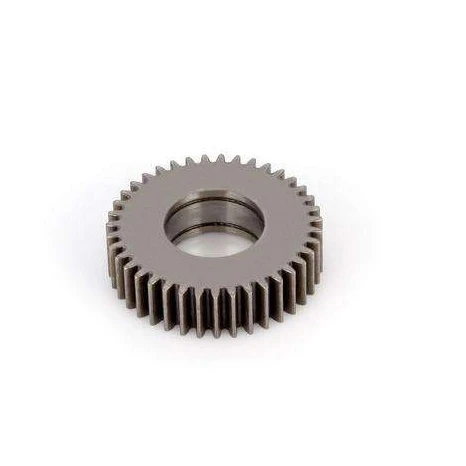
Rapid prototype gear manufacturing | CNC & 3D printed gears
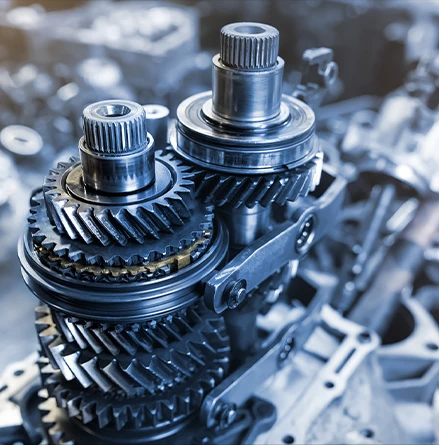
The Powder Metallurgy Components Market around the World
Subscribe For Newsletter

Shijiazhuang JingShi New Material Science and Technology Co., Ltd was founded since 2014, located in Shijiazhuang, Hebei province, China. The company covers an area of over 10,000 square meters and has


PRODUCTS

QUICK LINKS
CONTACT US
Address:TIANSHAN INTERNATIONAL MANUFACTURING INDUSTRY PARK NO.57, YUANSHI, SHIJIAZHUANG CITY, HEBEI PROVINCE, CHINA
Address:TIANSHAN INTERNATIONAL MANUFACTURING INDUSTRY PARK NO.57, YUANSHI, SHIJIAZHUANG CITY, HEBEI PROVINCE, CHINA